
On Friday night, I sat with a group of airline employees trying to make sense of what might come next.
United States, 5th May 2026 – My Spirit Airlines flight had just been canceled. Like many passengers, I was scrambling to find another way to get where I needed to go. But the real story wasn’t the inconvenience. It was the uncertainty in the room.
The employees I spoke with weren’t just talking about schedules or delays. They were talking about their jobs, their families, and what would happen if the company they relied on could no longer sustain itself. You could feel the weight of it—quiet, real, and immediate.
That moment stayed with me.
By Saturday morning, I had made it to Northern Nevada, where I spoke at the Washoe County Democratic Convention in Sparks. Later that day, I spoke again at the Douglas County Democratic Convention in Minden.
In both rooms, I shared a simple belief:
How we manage money says everything about what we value as a state.
I’ve seen this before. In the aftermath of the 2008 financial crisis, Nevada was one of the hardest-hit states in the country. Families lost homes. Communities were shaken. People who had done everything right suddenly found themselves trying to rebuild from nothing.
At that time, I helped lead Nevada’s work with the Startup America Initiative under Barack Obama. I traveled across the state listening to entrepreneurs, small business owners, and community leaders who were trying to put the pieces back together.
The lesson was clear then, and it remains clear now: when financial leadership falls short, it is not just numbers on a page that suffer. It is people.
It is workers wondering how they will make rent next month. It is parents trying to keep stability for their children.
It is communities carrying the long-term consequences of short-term decisions. That is why the role of State Treasurer matters more than most people realize. It is not a ceremonial office. It is a fiduciary responsibility.
The job is to protect taxpayer dollars, manage risk, maintain liquidity, and make disciplined, long-term investment decisions that hold up not just in good times, but in moments of stress.
Because those moments will come.
And when they do, the difference between careful stewardship and careless decision-making becomes painfully clear.
Now, on Sunday, as I reflect on the weekend, I keep thinking about those workers at the airport.
They are not asking for complex financial theories. They are asking for stability. For leadership that takes its responsibility seriously. For decisions that consider not just today’s headlines, but tomorrow’s consequences.
How we manage money is not abstract. It is a reflection of our priorities.
And ultimately, it is a test of whether we are willing to protect the people who depend on those decisions the most.
— Dr. Jay Maharjan
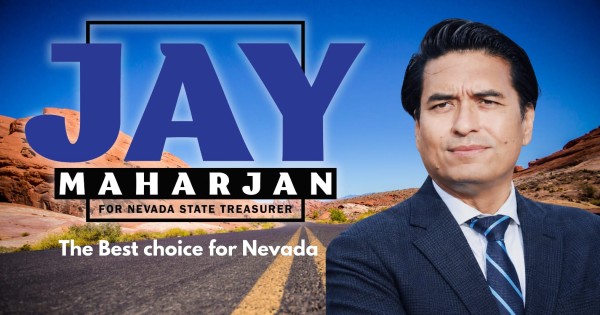
Candidate for Nevada State Treasurer DrJay4Nevada.com
Media Contact
Organization: Jay for Nevada
Contact Person: Dr.Jay Maharjan
Website: https://www.drjay4nevada.com/
Email: Send Email
Country:United States
Release id:44667
The post When Financial Leadership Fails, Working Families Pay the Price appeared first on King Newswire. This content is provided by a third-party source.. King Newswire makes no warranties or representations in connection with it. King Newswire is a press release distribution agency and does not endorse or verify the claims made in this release. If you have any complaints or copyright concerns related to this article, please contact the company listed in the ‘Media Contact’ section
Disclaimer: The views, suggestions, and opinions expressed here are the sole responsibility of the experts. No Info Streamline journalist was involved in the writing and production of this article.