Modern homebuyers are no longer simply looking for a roof over their heads. Today’s buyers are increasingly seeking residences that combine practical design, comfort, sustainability, and energy efficiency. This shift has created a natural collaboration between residential developers and renewable energy specialists, resulting in homes that are not only stylish but also forward-thinking and environmentally responsible.
Growing Demand for Medium-Sized Apartments
The trend towards smaller, more efficient urban homes has been growing steadily in Southeast Queensland. Medium-sized apartments, in particular, are meeting the needs of families, professionals, and downsizers who want functional living without sacrificing convenience. For example, 2-bedroom apartment Gold Coast units have become highly sought after, offering the perfect balance of space, affordability, and lifestyle amenities. These apartments provide modern living spaces that cater to changing demographics and urban lifestyles, including access to public transport, shopping centres, and recreational areas.
Why Energy Efficiency Matters in Modern Homes
Alongside design and location, energy efficiency has become a central consideration for homebuyers. Residents are increasingly aware of their environmental footprint and the long-term costs associated with traditional energy consumption. Integrating renewable energy solutions directly into new builds has therefore become a priority. Systems such as solar panels, home battery storage, and best commercial heat pumps offer tangible benefits, from reducing electricity bills to enhancing comfort and overall sustainability. These technologies help create homes that are ready for the future, providing residents with both environmental and financial advantages.
Cost Savings Through Renewable Technology
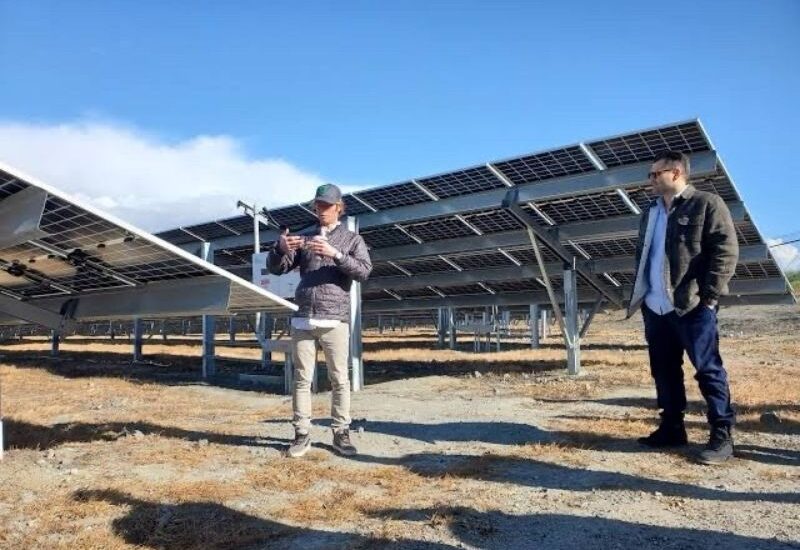
One of the primary benefits of incorporating renewable energy into residential developments is cost savings. Solar panels capture sunlight and convert it into electricity, reducing dependence on the grid and lowering monthly energy bills. Home battery systems store excess energy generated during the day for use at night or during peak periods, further optimizing energy efficiency. Meanwhile, commercial-grade heat pumps allow for efficient heating and cooling, ensuring that homes remain comfortable throughout the year without excessive energy consumption. By combining these systems, developers can offer residences that are truly modern and cost-effective.
Environmental Benefits and Market Appeal
Beyond the practical benefits, energy-efficient homes also appeal to buyers who are conscious of their environmental impact. Sustainability has become a major selling point in real estate, particularly in urban areas where energy consumption is higher. Homes that incorporate renewable energy solutions not only reduce greenhouse gas emissions but also signal a commitment to responsible living. This makes energy-conscious properties more attractive to prospective buyers who value environmental stewardship alongside design and location.
The Role of Marketing in Showcasing Sustainability
Marketing these homes effectively is also critical. High-quality visual presentations, such as virtual tours, 3D walkthroughs, and video content, allow potential residents to experience the layout, design, and sustainable features before visiting in person. This type of marketing communicates the practical benefits of renewable energy systems while also highlighting the lifestyle advantages of the property. Buyers can see how solar panels, battery storage, and heat pumps fit seamlessly into modern living spaces, making energy efficiency a tangible and desirable feature rather than a technical add-on.
Aligning with Government Initiatives
In addition to appealing to environmentally conscious buyers, integrating renewable energy solutions into new developments aligns with broader government initiatives. The Australian Government provides guidance and incentives to promote sustainable building practices, energy efficiency, and renewable energy adoption through platforms such as https://www.energy.gov.au. These programs encourage developers and homeowners to incorporate environmentally friendly solutions, helping reduce national energy consumption while promoting innovation in building design. For developers, aligning with these initiatives not only supports sustainability but can also enhance the marketability of their properties, providing an additional selling point in a competitive housing market.
Integrating Sustainability Into Standard Home Design
Energy efficiency is no longer just an optional feature; it is becoming a standard expectation for modern residential developments. Buyers increasingly seek homes where sustainability is integrated into the design rather than added as an afterthought. This includes considerations such as natural lighting, ventilation, thermal insulation, and energy-efficient appliances. Coupled with renewable energy solutions, these features create homes that are comfortable, cost-effective, and environmentally responsible. The synergy between smart design and renewable energy ensures that homes are functional, sustainable, and appealing to a broad range of buyers.
Lifestyle Benefits of Energy-Efficient Homes
Another key factor in modern residential development is lifestyle. Energy-efficient homes contribute to a more comfortable living experience, with consistent indoor temperatures, reduced reliance on conventional energy sources, and quieter, more efficient heating and cooling systems. For urban apartments and medium-density housing, these features make day-to-day life more enjoyable, while also adding long-term value to the property. Buyers today are looking for homes that not only meet their immediate needs but also offer lasting benefits over time.
Meeting Buyer Expectations with Integrated Technology
Particularly for medium-sized apartments, such as 2-bedroom units on the Gold Coast, integrating sustainable energy solutions can significantly enhance the appeal to first-time buyers, young families, and downsizers. These buyers often have a keen eye on affordability, utility costs, and long-term savings. By incorporating solar panels, battery storage, and efficient heating and cooling systems, developers provide tangible value while differentiating their properties in a competitive market. Energy-efficient homes are increasingly seen as a wise investment, combining lifestyle, comfort, and sustainability.
Building Communities for the Future
The collaboration between property developers and renewable energy specialists also reflects a broader trend in housing: building for the future. Rather than simply constructing homes, developers are creating communities that consider the environment, technology, and evolving buyer expectations. Energy-efficient homes with integrated renewable systems help address concerns such as rising energy costs, environmental impact, and long-term maintenance. By offering homes that combine high-quality design with sustainable technology, developers can appeal to a wider audience and build stronger reputations in the market.
Health and Comfort Advantages
In addition to environmental and financial benefits, these collaborations also support a healthier living environment. Efficient heating, cooling, and ventilation systems contribute to better indoor air quality, while solar energy reduces reliance on fossil fuels, which in turn lowers local pollution levels. Homes that are designed with both comfort and sustainability in mind promote wellbeing for residents, making them even more desirable in today’s competitive real estate market.
Conclusion: Homes of the Future
Ultimately, the integration of renewable energy solutions into residential developments represents a forward-thinking approach to modern housing. By combining energy-efficient technologies with thoughtful design and functional layouts, developers are creating homes that meet the needs of contemporary buyers while contributing positively to the environment. Medium-sized apartments, especially in high-demand urban areas, provide an ideal opportunity to showcase these innovations, offering buyers a balance of convenience, lifestyle, and sustainability.
The future of residential development lies in creating homes that are smart, sustainable, and efficient. By incorporating solar power systems, home batteries, and best commercial heat pumps, developers can deliver properties that are cost-effective, environmentally responsible, and attractive to buyers. Medium-sized apartments, including 2-bedroom apartment Gold Coast units, exemplify how thoughtful design and energy integration meet market demand for modern living.
Energy-efficient homes with integrated renewable technologies provide cost savings, comfort, sustainability, and long-term value. They meet the expectations of today’s environmentally conscious buyers while supporting broader government initiatives for energy efficiency. As homebuyers increasingly prioritize sustainability alongside design and location, energy-integrated residential developments are not just a trend — they are the homes of the future.
Disclaimer: The views, suggestions, and opinions expressed here are the sole responsibility of the experts. No Info Streamline journalist was involved in the writing and production of this article.